Does Acrylic Shatter? Find Out Its Strength and Durability

Informational

When comparing materials like glass and plastic, many people often ask: does acrylic shatter? The short answer is no, acrylic does not shatter like traditional glass. Instead, acrylic is designed to be far stronger, safer, and more durable. 

This makes it one of the most widely used materials across industries such as architecture, signage, interior design, and safety barriers.

Does Acrylic Shatter Like Glass?

Unlike glass, which can break into dangerous sharp shards, acrylic is impact resistant

If exposed to heavy force, acrylic is more likely to crack or break into large, blunt-edged pieces rather than splintering into tiny shards. This makes acrylic significantly safer for residential or commercial applications.

In fact, acrylic is up to 17 times stronger than glass, yet weighs only half as much. This balance of strength and lightness explains why industries worldwide are shifting toward acrylic as a glass alternative.

Read also: Do’s and Don’ts: Cleaning Acrylic Sheet the Right Way

Why Acrylic Is Safer Than Glass

The concern about shattering usually comes from using glass in high-risk environments. Glass windows, panels, and displays can be dangerous when broken. Acrylic solves this problem by offering:

  1. High Impact Resistance: Acrylic can withstand accidental knocks, falls, or collisions without shattering dangerously.
  2. Blunt Break Pattern: When acrylic does break, it forms larger, less hazardous fragments.
  3. Safe for Child and Public Environment: Because of its break-resistant nature, acrylic is commonly used in schools, hospitals, public displays, and even aquariums.

Factors That Affect Acrylic’s Durability

Although acrylic is strong, certain factors can influence whether it cracks or breaks under pressure:

  • Thickness of the Sheet: Thicker acrylic sheets are more resistant to cracking and can endure higher loads.
  • Quality of the Material: Sheets made from 100% virgin MMA (Methyl Methacrylate) are purer and more durable than those made with recycled material.
  • Environmental Conditions: Outdoor exposure to UV light, heat, and moisture can impact longevity if low-quality acrylic is used.
  • Installation and Handling: Proper cutting, drilling, and mounting prevent stress points that could cause cracking.

Real-World Applications of Acrylic

Thanks to its non-shattering nature, acrylic is a trusted material in industries that prioritize both safety and aesthetics:

  • Signage and Advertising Displays – Durable and weather-resistant, perfect for outdoor use.
  • Protective Barriers – Used in offices, retail counters, and public spaces to ensure safety without sacrificing visibility.
  • Construction and Architecture – Commonly found in windows, skylights, and partitions for their lightweight yet strong properties.
  • Furniture and Interior Design – Adds a modern, glass-like aesthetic without the fragility.
  • Medical and Food Industry – Acrylic with certifications like NSF ensures hygienic and safe usage.

Read also: Acrylic Sheet Thickness Guide: How to Choose the Right One

Does Acrylic Shatter Under Extreme Conditions?

While acrylic does not shatter like glass, it is not indestructible. Under extreme force or improper installation, acrylic may crack or snap. However, the breakage is still significantly safer than glass since it does not form sharp, splintered fragments.

In most cases, acrylic offers the perfect balance of strength, clarity, and cost-effectiveness.

So, does acrylic shatter? No, acrylic is designed to be a safer, stronger alternative to glass. With up to 17 times the strength of glass and excellent durability, acrylic is widely trusted in signage, construction, safety barriers, and interior design. 

While it may crack under extreme conditions, its breakage is far less hazardous compared to glass, making it a reliable choice for both commercial and residential applications.

PT Margacipta Wirasentosa offers high-quality cast acrylic made from 100% virgin MMA, with NSF-certified options for food contact applications.
News Release

Best Way to Glue Acrylic Sheet: Adhesives and Application Tips

The best way to glue acrylic sheet is by using adhesives specifically formulated for acrylic, combined with proper surface preparation and careful application. 

Choosing the right adhesive and technique helps create strong, nearly invisible joints while minimizing bubbles, gaps, or surface damage.

Whether you're fabricating retail displays, signage, furniture, or custom acrylic products, understanding how to bond acrylic correctly is essential for achieving professional results.

Why Acrylic Requires Special Adhesives

Unlike wood or metal, acrylic cannot be effectively bonded using standard household glues.

Acrylic adhesives work by chemically bonding or welding the material, creating a much stronger connection than ordinary glue.

Using the correct adhesive offers several advantages:

  • Strong and durable joints
  • Clear, clean bonding lines
  • Better resistance to separation
  • Professional appearance

Selecting the wrong adhesive may lead to weak bonds, discoloration, or visible glue marks.

Read also: How to Bend Acrylic Sheet: Methods, Tools, and Best Practices

Common Adhesives for Acrylic Sheets

Several types of adhesives are commonly used depending on the project.

Solvent-Based Acrylic Cement

This is the preferred choice for many acrylic fabrication projects.

It softens the acrylic surfaces, allowing them to fuse together into a strong bond.

Ideal for:

  • Display cases
  • Retail fixtures
  • Signage
  • Clear acrylic assemblies

Two-Part Acrylic Adhesive

Two-part adhesives provide excellent strength and are suitable for larger or structural applications.

They are often used when maximum durability is required.

Specialty Acrylic Adhesives

Some manufacturers offer adhesives formulated specifically for decorative or high-performance acrylic applications.

These products are designed to maintain clarity while providing reliable bonding.

How to Prepare Acrylic Before Gluing

Proper preparation is essential for achieving a clean bond.

Before applying adhesive:

  • Clean the surfaces thoroughly
  • Remove dust and grease
  • Ensure edges fit together accurately
  • Leave protective film in place where possible to prevent scratches

Good preparation reduces the likelihood of visible imperfections after bonding.

Best Practices for Applying Adhesive

To achieve professional results:

Apply Adhesive Sparingly

Using excessive adhesive can create bubbles or overflow marks.

Align the Pieces Carefully

Position the acrylic accurately before the adhesive cures, as adjustments may become difficult afterward.

Use Clamps if Necessary

Gentle clamping helps maintain alignment while the adhesive sets.

Allow Adequate Curing Time

Follow the manufacturer's recommendations before moving or using the finished product.

Common Mistakes to Avoid

Avoid these common errors when gluing acrylic sheets:

  • Using general-purpose household glue
  • Applying too much adhesive
  • Bonding dirty surfaces
  • Forcing pieces together after curing begins
  • Handling the assembly before it has fully cured

Proper technique helps improve both strength and appearance.

Why High-Quality Acrylic Matters

Bonding performance also depends on the quality of the acrylic sheet itself.

Premium acrylic typically offers:

  • Consistent thickness
  • Smooth edges
  • Better machining quality
  • More reliable fabrication performance

Using high-quality acrylic helps achieve cleaner joints and more professional finished products.

Marga Cipta supplies premium acrylic sheets suitable for fabrication, laser cutting, engraving, and custom manufacturing applications.

Read also: Acrylic Cleaner Guide: Safe Liquids to Clean Acrylic Without Damage

Conclusion

Knowing how to glue acrylic sheet properly is essential for creating durable and visually appealing acrylic products.

By choosing the right adhesive, preparing the material correctly, and following proper application techniques, manufacturers and fabricators can achieve strong, long-lasting bonds.

Looking for High-Quality Acrylic Sheets?

Marga Cipta offers premium acrylic sheets in various thicknesses, colors, and finishes for signage, displays, furniture, and fabrication projects.

For inquiries or orders, email info@margacipta.com.

For product information, inspiration, and the latest updates, follow Instagram @margacipta.

Best Acrylic Thickness for Plaque: Complete Guide for Durable Results

The best acrylic thickness for plaque is typically between 3 mm and 5 mm.

This range offers the ideal balance between durability, stability, and a clean professional appearance for most applications.

Choosing the right thickness is essential because it directly affects how the plaque looks, feels, and performs over time.

Why Acrylic Thickness Matters

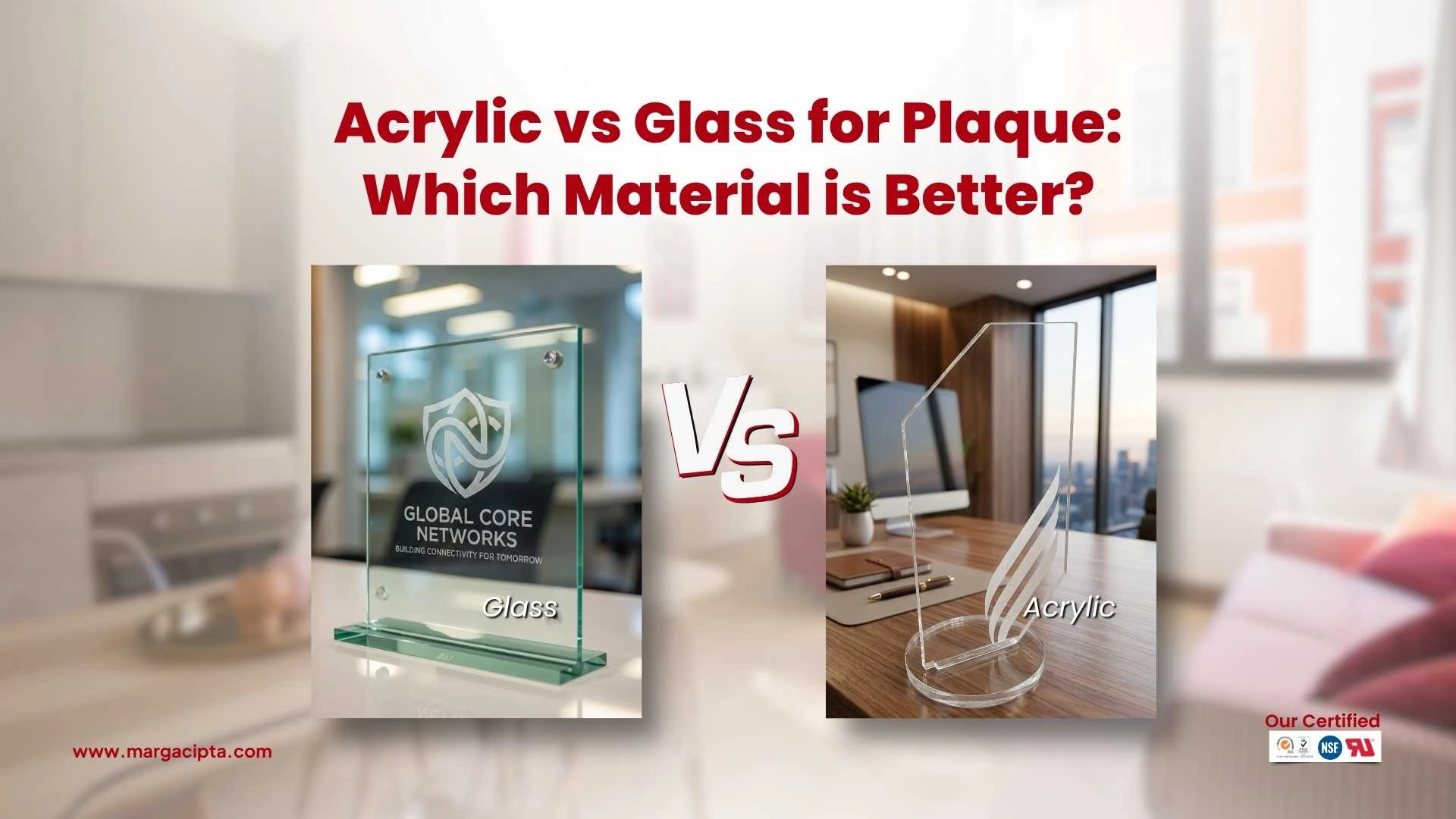
Acrylic plaques are widely used for signage, awards, and displays due to their clarity and modern finish. However, thickness plays a critical role in ensuring the plaque does not bend, crack, or look disproportionate.

  • Too thin → may bend or feel low quality
  • Too thick → looks bulky and increases cost

The goal is to match thickness with the size and purpose of the plaque.

Read also: How to Clean Acrylic Without Scratching

Recommended Thickness Based on Use Case

Here’s a quick guide to help you decide:

3 mm acrylic sheet

  • Best for small plaques, nameplates, or wall-mounted signage.
  • Offers a sleek and lightweight appearance.

4 mm acrylic sheet

  • Ideal for medium-sized plaques that require better rigidity.
  • Commonly used for office signage and branding displays.

5 mm acrylic sheet

  • Suitable for larger plaques or premium applications.
  • Provides a solid, high-end feel with improved durability.

For most commercial and decorative uses, this 3–5 mm range delivers consistent and reliable performance.

Key Factors to Consider

Beyond thickness, several factors influence your final choice:

1. Plaque Size

Larger plaques require thicker acrylic to prevent bending or warping over time.

2. Mounting Method

Wall-mounted plaques can use thinner sheets, while freestanding designs need additional thickness for stability.

3. Design Complexity

Engraving, UV printing, or layered designs may benefit from slightly thicker acrylic for better visual depth.

Fabrication Compatibility

Acrylic sheets are highly compatible with modern fabrication methods such as:

  • Laser cutting
  • UV printing
  • Engraving

Using the correct thickness ensures clean cuts, consistent engraving depth, and a more professional finish.

High-quality acrylic sheets also reduce the risk of chipping or uneven edges during production.

Read also: How to Choose UV Resistant Acrylic Sheets for Outdoor Applications

Why Acrylic is Ideal for Plaques

Compared to other materials, acrylic offers:

  • Excellent clarity (glass-like appearance)
  • Lightweight structure
  • Good impact resistance
  • Easy fabrication

These characteristics make acrylic a practical and scalable material for plaque production.

Material Quality Still Matters

Even with the right thickness, material quality is critical.

High-quality acrylic sheets provide:

  • Consistent thickness
  • Better clarity
  • Improved durability

For businesses, this means fewer production issues and more consistent output.

Marga Cipta supplies premium acrylic sheets designed for fabrication processes, ensuring reliable performance across different applications.

Conclusion

The best acrylic thickness for plaque is generally between 3 mm and 5 mm, depending on size and application.

By choosing the right thickness and using high-quality acrylic sheets, you can achieve plaques that are durable, visually appealing, and professionally finished.

Best Acrylic Sheet for Cake Topper: Thickness, Finish & Tips

Acrylic has become one of the most popular materials for creating cake toppers, thanks to its clarity, durability, and versatility.

Whether you are a small business owner, crafter, or manufacturer, choosing the right acrylic sheet for cake topper projects is essential to achieve clean, professional results.

Understanding the right thickness, finish, and material characteristics will help you produce high-quality toppers that stand out.

Why Acrylic Sheet is Ideal for Cake Toppers

Acrylic sheets are lightweight yet strong, making them perfect for decorative applications like cake toppers. Compared to other materials, acrylic offers a smooth surface that is easy to cut, engrave, and print on.

It also provides a premium look with glass-like clarity, which enhances the overall aesthetic of the cake design. For businesses, acrylic ensures consistency in production, especially when using laser cutting or CNC machines.

Read also: Acrylic Application for Accessories: Stylish, Durable, and Versatile

1. Choosing the Right Thickness

Thickness plays a crucial role in determining the durability and appearance of your cake topper.

For most applications, acrylic sheets between 2 mm to 3 mm are considered ideal. A 2 mm sheet works well for smaller, lightweight designs, while 3 mm provides additional rigidity for larger or more intricate toppers.

Using acrylic that is too thin may result in bending or breakage, while overly thick sheets can look bulky and harder to cut with precision.

2. Selecting the Right Finish

Acrylic sheets come in a variety of finishes, each offering a different visual effect.

Clear acrylic is the most commonly used option for cake toppers. It delivers a clean and elegant look, especially for weddings and formal events. 

Colored acrylic sheets, such as black, gold, or pastel tones, are also popular for adding contrast and personality.

For a softer appearance, frosted acrylic can be used to create a matte effect. Meanwhile, glossy finishes are ideal when you want a more vibrant and polished result.

3. Fabrication Tips for Best Results

To achieve the best outcome, proper handling and fabrication techniques are essential.

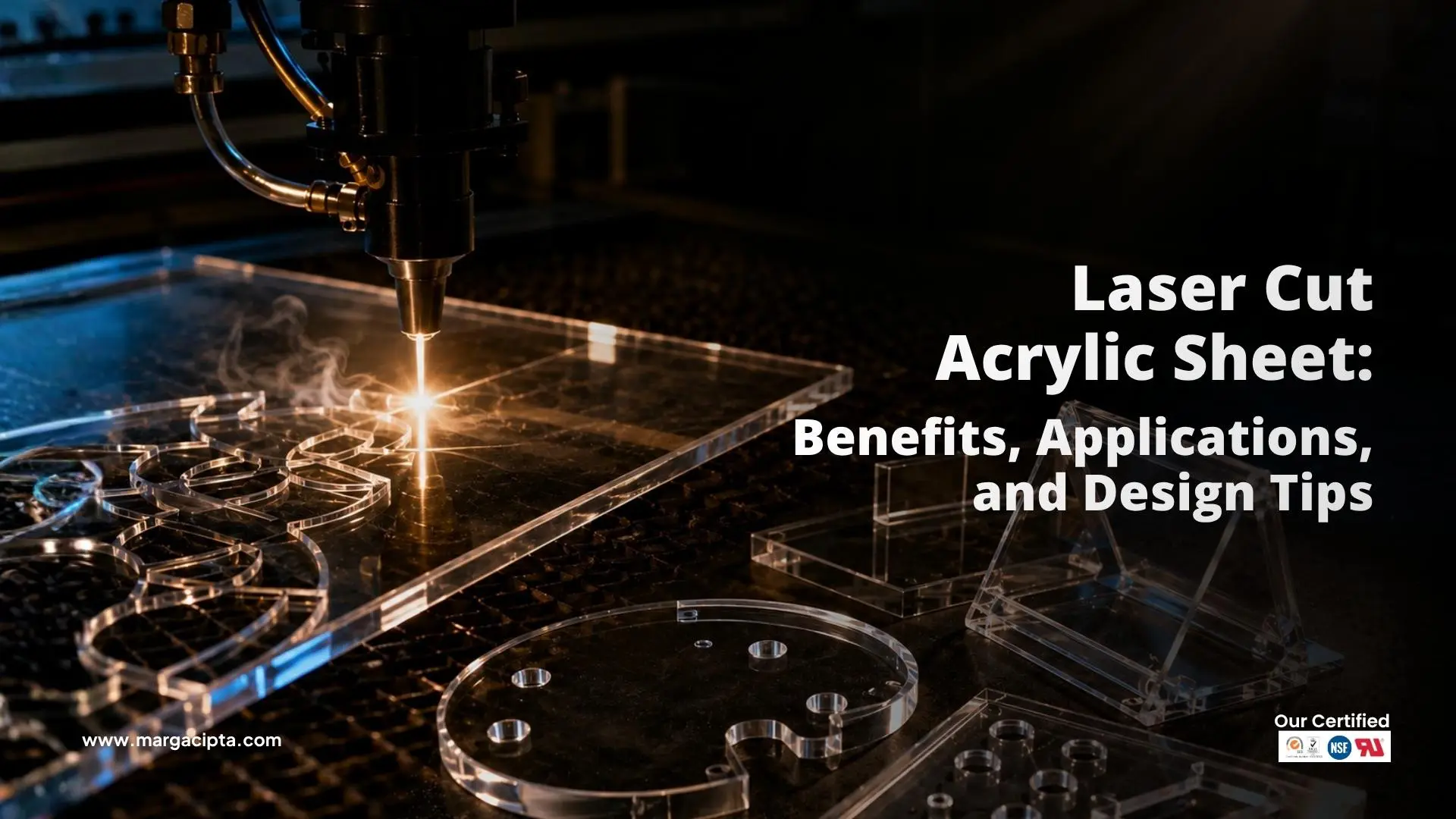
Laser cutting is highly recommended for creating precise shapes and smooth edges. Make sure to use high-quality acrylic sheets to avoid chipping or uneven cuts.

When designing your topper, consider adding a strong base or stem to ensure stability when placed on the cake. It is also important to remove protective film carefully after cutting to maintain a scratch-free surface.

Read also: Acrylic for Art and Crafts, Endless Creativity Only for You

Choosing Quality Acrylic Sheets

Not all acrylic sheets are created equal. High-quality acrylic offers better clarity, consistent thickness, and improved durability.

For businesses or bulk production, sourcing acrylic sheets from a reliable supplier ensures consistent results across every batch. This is especially important for maintaining product quality and customer satisfaction.

Conclusion

Selecting the best acrylic sheet for cake topper projects comes down to choosing the right thickness, finish, and material quality. With the right combination, acrylic provides a perfect balance of strength, aesthetics, and ease of fabrication.

For anyone looking to produce professional-grade cake toppers, investing in high-quality acrylic sheets is a smart and reliable choice.

Looking for high-quality acrylic sheets for your cake topper projects? Marga Cipta provides premium acrylic sheets with consistent thickness, excellent clarity, and ready-to-process surfaces, perfect for laser cutting and custom designs. 

Contact us at info@margacipta.com or our Instagram to order and get the best material for your production needs. 

Acrylic Sheet for Retail Displays: Benefits, Applications, and Design Ideas

Acrylic sheet is one of the best materials for retail displays because it combines excellent clarity, durability, lightweight performance, and design flexibility. From product stands and display cases to shelf dividers and promotional signage, acrylic helps retailers create attractive displays that enhance the customer experience.

Whether you're designing a boutique, supermarket, showroom, or exhibition booth, acrylic sheets offer a professional solution for showcasing products effectively.

Why Acrylic Is Popular for Retail Displays

Retail displays need to be visually appealing while remaining durable enough for daily use. Acrylic meets both requirements by offering a clean, modern appearance and reliable performance.

Compared to traditional materials, acrylic provides several advantages:

  • Crystal-clear transparency
  • Lightweight construction
  • Good impact resistance
  • Easy fabrication
  • Wide variety of finishes and colors

These features make acrylic suitable for both permanent and seasonal retail displays.

Read also: Food Grade Acrylic: Safe Choice for Your F&B Business

Key Benefits of Acrylic Sheet for Retail Displays

1. Excellent Product Visibility

Clear acrylic allows customers to focus on the displayed products rather than the display structure itself.

Its glass-like transparency enhances product presentation without obstructing visibility.

2. Lightweight Yet Durable

Retail displays are often moved or rearranged. Acrylic's lightweight nature makes transportation and installation easier while maintaining good structural strength.

3. Easy to Fabricate

Acrylic sheets can be:

  • Laser cut
  • CNC machined
  • Engraved
  • UV printed
  • Thermoformed

This flexibility allows retailers to create customized display solutions for different products.

4. Professional Appearance

Available in clear, colored, frosted, satin, and mirrored finishes, acrylic complements various retail concepts, from luxury boutiques to modern convenience stores.

Common Applications

Acrylic sheets are used in numerous retail display applications.

Popular examples include:

1. Product Display Stands

Ideal for cosmetics, electronics, jewelry, accessories, and packaged goods.

2. Display Boxes and Cases

Transparent acrylic protects products while allowing customers to view them clearly.

3. Shelf Dividers

Acrylic helps organize merchandise neatly while maintaining a clean visual appearance.

4. Promotional Sign Holders

Retailers frequently use acrylic holders for pricing information, promotional materials, and advertisements.

5. Point-of-Purchase Displays

Custom acrylic displays attract attention and encourage impulse purchases.


Design Ideas for Acrylic Retail Displays

Acrylic offers endless design possibilities.

Some popular concepts include:

  • Minimalist transparent display stands
  • Layered acrylic shelving
  • Illuminated acrylic displays
  • Colored acrylic branding elements
  • Floating product displays
  • Modular display systems

These designs help create a premium shopping environment while maximizing product visibility.

Choosing the Right Acrylic Sheet

When selecting acrylic sheets for retail displays, consider:

  • Required thickness
  • Display size
  • Product weight
  • Surface finish
  • Indoor or outdoor use

Using the appropriate specification ensures both durability and aesthetic appeal.

Read also: Acrylic Application for Accessories: Stylish, Durable, and Versatile

Why High-Quality Acrylic Matters

Retail displays represent your brand image.

High-quality acrylic sheets provide:

  • Superior clarity
  • Consistent thickness
  • Better edge finishing
  • Improved durability
  • Reliable fabrication performance

Marga Cipta supplies premium acrylic sheets suitable for retail displays, visual merchandising, signage, and custom fabrication projects.


Conclusion

Acrylic sheet for retail displays offers an ideal combination of clarity, durability, and design flexibility. Its versatility makes it suitable for a wide range of commercial environments, helping businesses present products professionally while enhancing the customer experience.

Choosing high-quality acrylic sheets ensures long-lasting retail displays that remain attractive and functional over time.

Looking for Premium Acrylic Sheets?

Marga Cipta offers high-quality acrylic sheets in various thicknesses, colors, and finishes for retail displays, signage, and custom fabrication.

For inquiries or orders, email info@margacipta.com.

For product information, inspiration, and the latest updates, follow Instagram @margacipta.